

Category Archives: Education Topics


Aug
As the seasons change, your training should change with them. If you’re a runner, it can be tempting to think that training means always doing more—more miles, more speed, more races, more intensity. But your body doesn’t thrive on peak effort all year long. In fact, some of the best training you can do happens […]
Jul
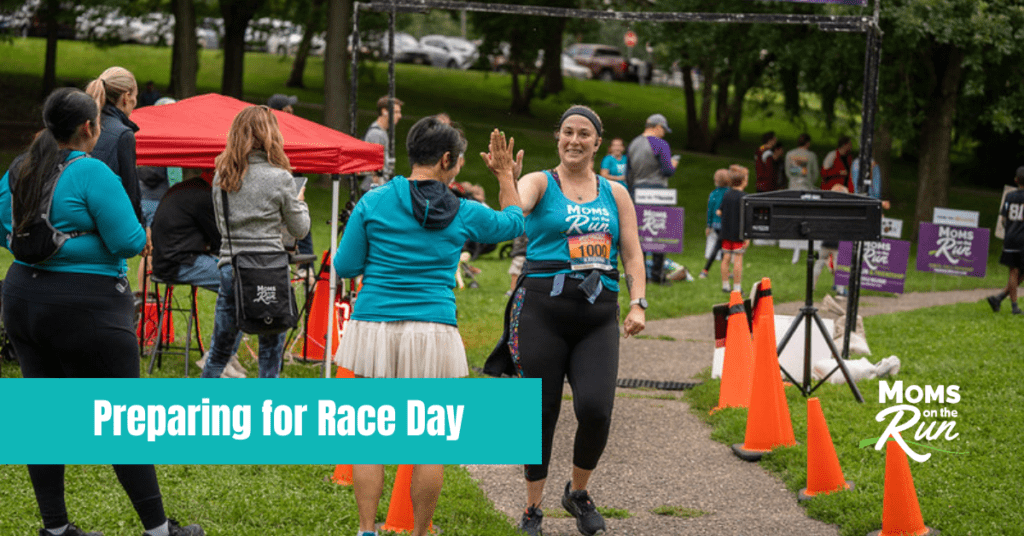
Race day is just around the corner! After weeks of training, it’s time to make your final preparations and get ready to enjoy the experience. While it’s natural to feel a few nerves, the final weeks before your race are all about helping your body recover, fine-tuning your race plan, and arriving at the starting […]

Jul
When it comes to improving as a runner, it’s easy to focus on workouts, mileage, and pace. But the real magic happens during recovery! Every run places stress on your muscles, bones and cardiovascular system. It is during periods of rest, especially while you sleep, that your body repairs damaged tissue, rebuilds stronger muscles, and […]

Jul
Feeling unusually tired on your runs? Struggling to hit paces that once felt comfortable? Before assuming you need to train harder, it may be worth looking at your nutrition. Two common but often overlooked concerns for female runners are iron deficiency and Relative Energy Deficiency in Sport (RED-S). Both can quietly impact performance, recovery, and […]

Jun
One of the most fascinating aspects of being a female athlete is that your body is constantly changing. Hormones influence far more than reproductive health. They affect energy levels, recovery, strength, coordination, and even injury risk. Understanding how estrogen and progesterone fluctuate throughout the menstrual cycle can help women work with their bodies instead of […]

Jun
Many women have experienced it but few talk about it: leaking urine during a run, feeling heaviness or pressure in the pelvis, or noticing symptoms that seem to worsen with high-impact exercise. If this sounds familiar, you’re not alone. Pelvic floor issues are common among female runners, and while they may be common, they are […]
Jun
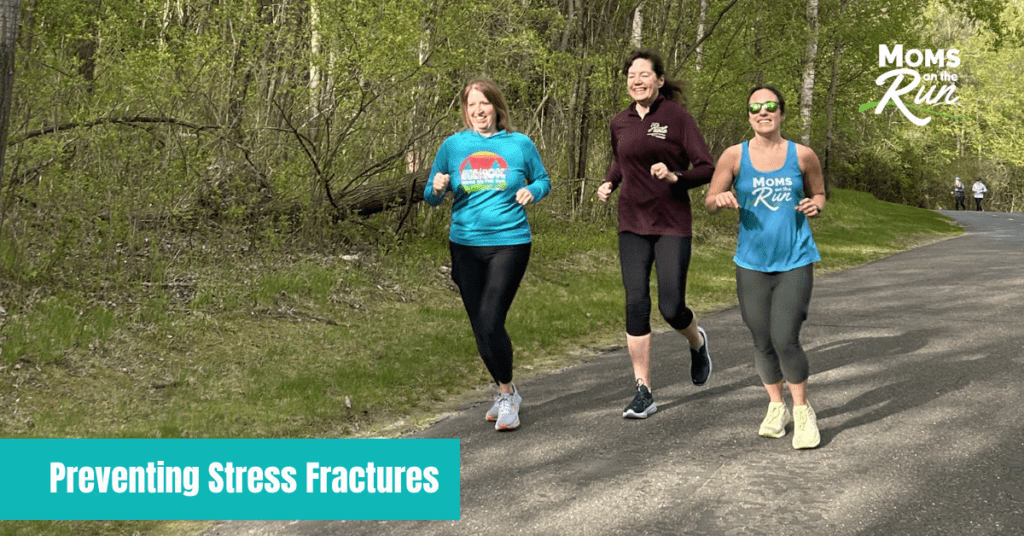
At Moms on the Run, we talk often about the importance of increasing mileage gradually, staying under that magic “10%” weekly gain to reduce the risk of injury. But did you know that strength and nutrition are important factors as well? Strong bones are the foundation of healthy running, yet stress fractures remain one of […]

Jun
For many female runners, dedication is a strength. Whether you’re training for your first 5K or chasing a marathon PR, it’s easy to believe that more miles and harder workouts will automatically lead to better results. In reality, the body needs recovery just as much as it needs training. When training stress consistently exceeds the […]