

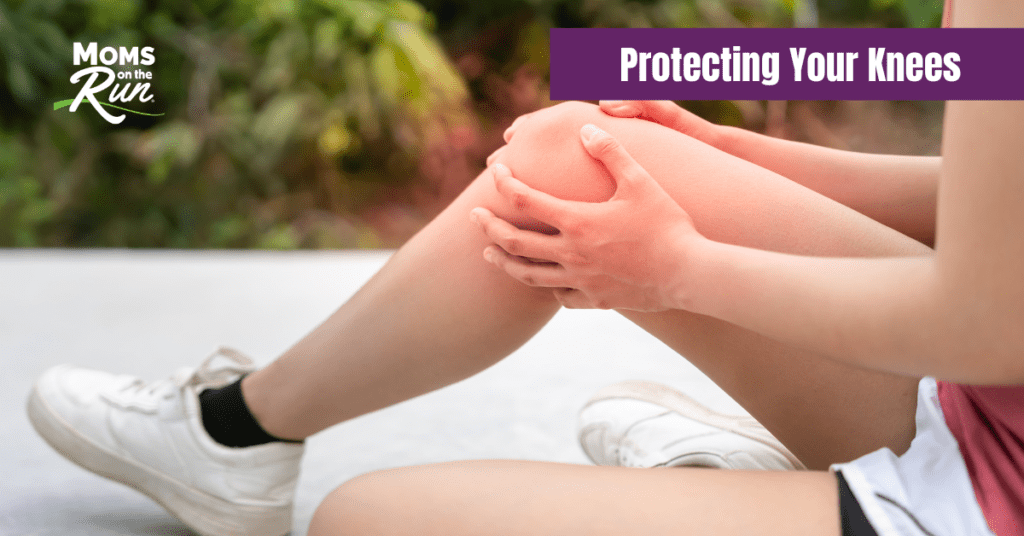
If you’re a runner, you’ve probably heard it before, “You’re going to damage your knees!” Friends say it. Family members say it. Sometimes even strangers say it when they see your running gear.
However, the truth is that modern research tells a very different story. While the myth persists, science shows that running itself is not the knee-destroying activity people assume it is. In fact, when done properly, running may even help support long-term joint health.
Let’s break down why this idea exists, what the research actually says, and how runners can keep their knees strong for the long run.
THE MYTH: RUNNING DESTROYS YOUR KNEES
The concern seems logical at first glance. Running is a repetitive, weight-bearing activity. Therefore, many people assume that the constant pounding must wear down knee cartilage over time.
Because of this assumption, some people avoid running altogether. However, the research doesn’t support that idea.
Large studies of recreational runners consistently show no link between running and increased risk of knee arthritis. In fact, several studies found that recreational runners actually have lower rates of knee osteoarthritis than sedentary people. Additionally, one large survey of marathon runners found no association between a lifetime of running and arthritis in the knees or hips.
In other words, the activity itself isn’t the problem.
WHAT REALLY CAUSES KNEE PROBLEMS
Instead of running alone, research shows that other factors play a much larger role in knee pain and arthritis. For example, the biggest risk factors include:
- Previous knee injuries
- Higher body weight
- Genetics and family history
- Age
- Poor muscle strength or joint stability
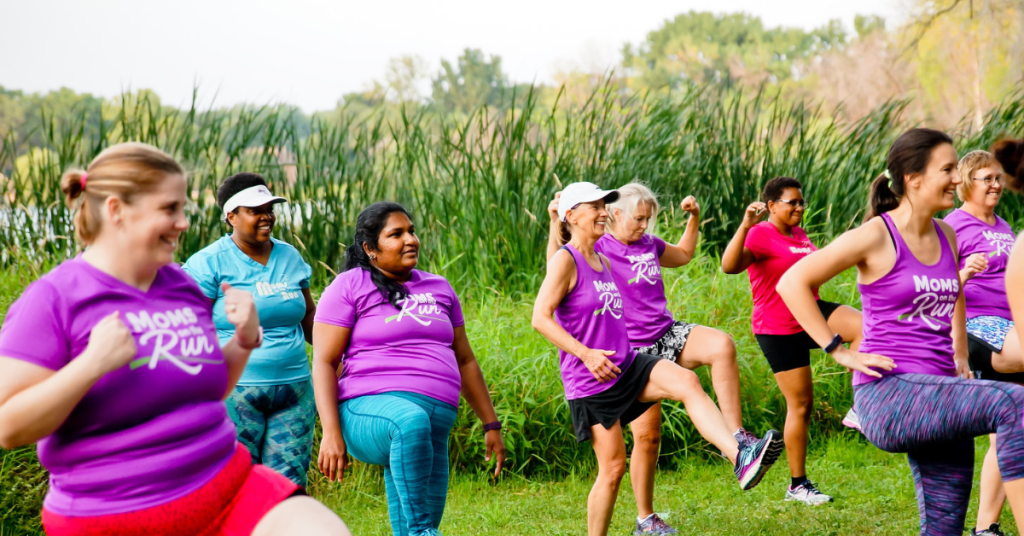
Studies also show that running does not accelerate knee osteoarthritis in healthy individuals without these risk factors. Because of this, experts now believe that staying active may actually help protect the joints. Movement increases circulation in the knee and helps nourish cartilage with synovial fluid, which supports joint health.
So instead of “wearing out” your knees, moderate running may help keep them functioning well.
WHY RUNNERS CAN GET KNEE PAIN
Of course, that doesn’t mean runners never experience knee pain. However, most running-related knee issues are training or strength problems, not joint damage. For example, conditions like runner’s knee or IT band syndrome often occur when muscles around the hips and knees aren’t strong enough to support proper movement. Because running is repetitive, small imbalances can show up quickly.
Fortunately, the solution is usually simple: improve strength, adjust training, and allow proper recovery. Long-term damage can occur to the knees if runners fail to address imbalance issues and continue training, despite the pain.
HOW TO PROTECT YOUR KNEES AS A RUNNER
The good news is that a few smart habits can go a long way toward keeping your knees healthy.
1. Strengthen your glutes and hips
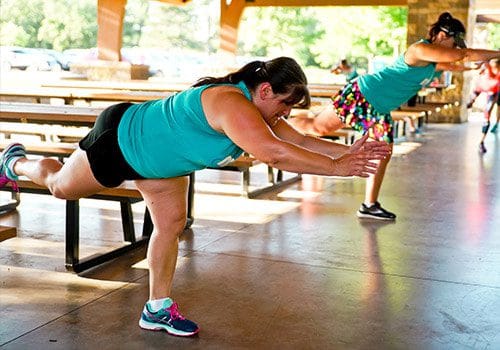
Strong glutes stabilize your knees while running. Exercises like squats, lunges, and bridges help support proper alignment.
2. Increase mileage gradually
Your body adapts to training over time. Therefore, increasing mileage slowly helps your joints and muscles adjust safely.
3. Mix in strength training
Running and strength training work best together. When you build muscle around the knees, you reduce stress on the joint itself.
4. Pay attention to form and cadence
Shorter, quicker steps often reduce impact forces and improve running efficiency.
5. Prioritize recovery
Rest days, mobility work, and sleep all help your body rebuild and stay resilient.
THE KNEE TAKEAWAY
Despite what many people believe, running itself does not automatically damage your knees. In fact, research increasingly shows that recreational runners often have healthier knees than people who don’t run at all.
So, the next time someone says, “But you’re going to wreck your knees,” you can smile and keep moving. When you train smart, stay strong, and listen to your body, running can support your health — knees included.
Set yourself up for knee success. Join a Moms on the Run location near you for expert coaching, strength training and injury prevention support.