

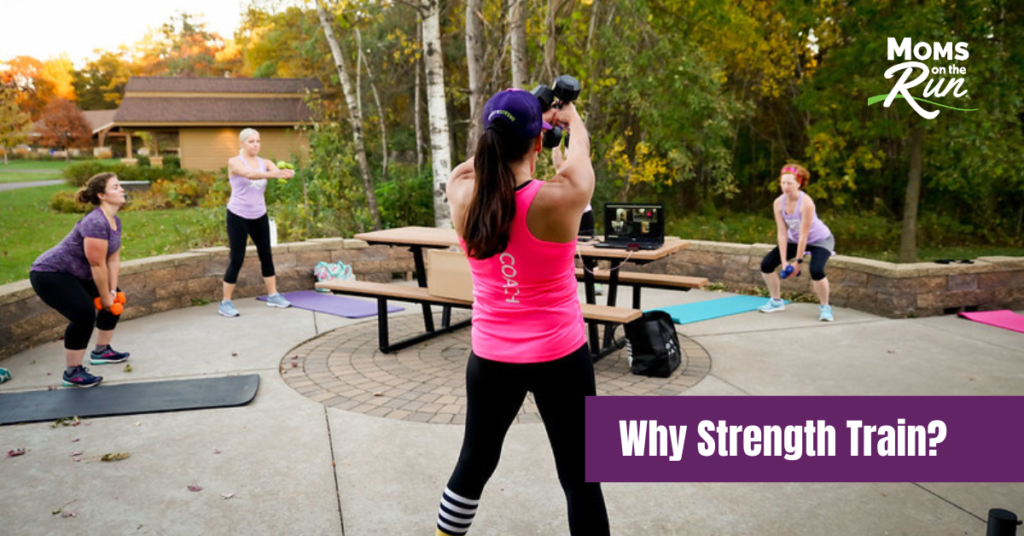
If you are new to our program this year, you may have thought you were signing up for regular cardiovascular exercise, and indeed this is the case! But the vast majority of our class formats include some strength training, and for very good reason. While it may be tempting to dip out after your run on a busy weeknight, the truth is that strong muscles are a non-negotiable for a well rounded training program. Improving our strength makes us efficient, injury-resistant runners and plays a critical role in supporting the repetitive demands of the sport. By improving stability, power, and overall movement quality, runners can avoid muscular imbalances and weaknesses that lead to discomfort and setbacks. Let’s take a look at the muscle groups we especially need to pay attention to!
The glutes are one of the most important muscle groups for runners, acting as the primary drivers of hip extension. Strong glutes help propel you forward with each stride while also stabilizing the pelvis. When they are weak or underactive, other muscles like the lower back or hamstrings are forced to compensate. This often leads to inefficient movement patterns and increased risk of injury. Strengthening the glutes not only improves stride power, it helps maintain proper alignment throughout a run.
Hamstrings work closely with the glutes to generate power and control leg movement, particularly during the push-off and recovery phases of running. They also play a key role in decelerating the leg, which helps protect the knees and reduce strain on surrounding tissues. Weak or tight hamstrings are a common contributor to injuries such as strains or tendon issues, making targeted strengthening and mobility work here essential for longevity in running.
Calves are also critical but often overlooked. They absorb impact with each step and help generate the spring-like motion that makes running feel smooth and efficient. Strong calves can improve running economy, meaning you use less energy at a given pace, while also reducing the likelihood of common issues like Achilles tendon irritation or shin splints. Consistent strengthening helps build resilience against the repetitive stress placed on the lower legs.
Finally, a strong core provides the foundation for everything else. The core stabilizes the torso, allowing for better posture and more efficient energy transfer between the upper and lower body. When the core is weak, runners may experience excessive rotation or collapse through the hips, which wastes energy and increases strain on the legs. Strengthening the core helps maintain form, especially as fatigue sets in, ultimately leading to more efficient and comfortable runs.
Incorporating regular strength training into a running routine doesn’t require hours in the gym, it just requires consistency and intention. By focusing on key muscle groups like the glutes, hamstrings, calves and core, runners can improve performance, reduce injury risk, and build a stronger, more balanced body that supports every mile. We look forward to getting strong together this season!