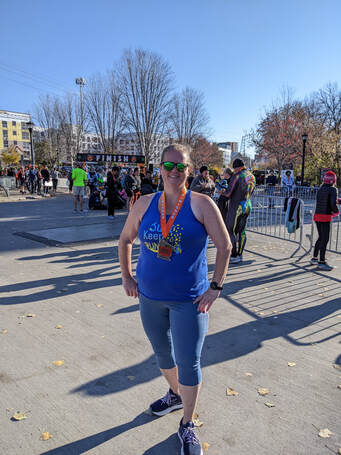


So, you’ve decided to run your first marathon. Congratulations! That’s a huge goal and an incredible adventure. Whether you’ve been running for years or just recently fell in love with the sport, your first marathon will challenge you in ways that are both physical and deeply rewarding.
At Moms on the Run, we believe every woman can go the distance with the right mindset, training plan and support. From building endurance to fueling properly and managing busy schedules, here’s everything you need to know when training for your first marathon.
Start with the Right Mindset
Before you even lace up your shoes, know this: marathon training is a journey, not a sprint. You’ll have strong runs and tough ones. Some days, your legs will feel like lead, and others, you’ll feel like you could run forever. That’s all part of the process.
Your mindset will carry you through the miles. Focus on progress, not perfection, and remember that every run counts — even the short or slow ones. You’re building more than mileage; you’re building discipline, confidence and resilience.
Build Your Base Before First Marathon Training Begins
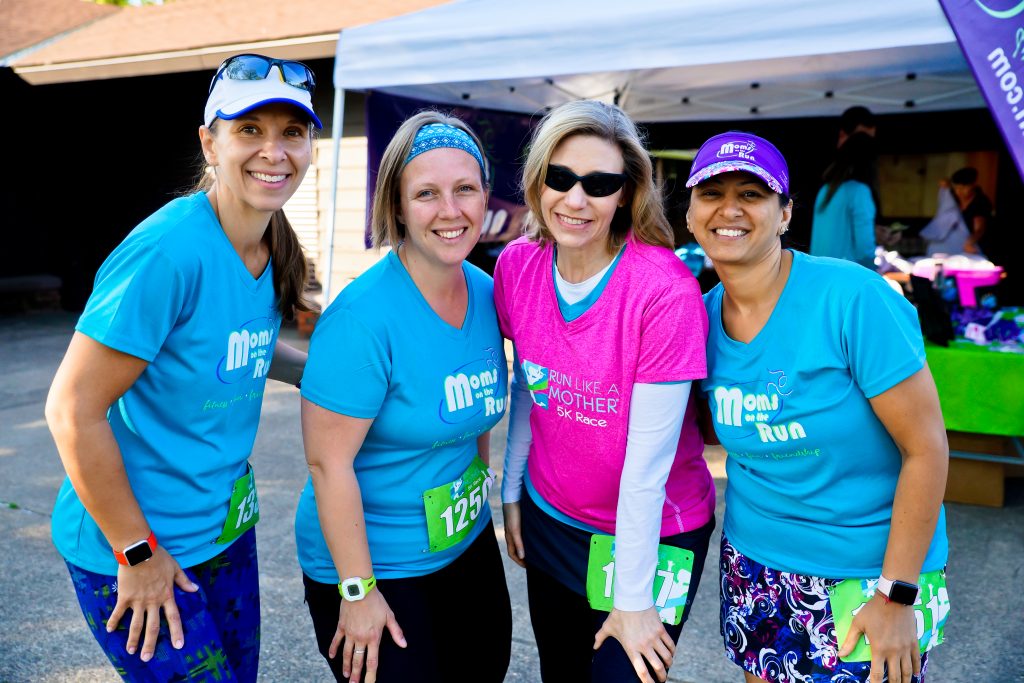
If you’re planning to run your first marathon, it helps to have a solid running foundation first. Before your official training plan starts, aim to comfortably run at least 15–20 miles per week for a few months. That doesn’t mean you have to run every day — three to four runs a week is plenty. Your body should already be used to consistent movement.
A strong base gives you a head start and reduces your risk of injury when the mileage begins to climb. If you’re newer to running or coming back from a break, our Moms on the Run signature training programs are a great way to build that foundation in a supportive environment.
Follow a Structured Training Plan
Once your base is set, it’s time to choose a marathon training plan. Most plans are 16 to 20 weeks long. A good plan should include a mix of:
- Long runs to build endurance
- Shorter easy runs for recovery
- Speed or tempo workouts to improve stamina and efficiency
- Rest days to allow your body to rebuild
- Cross-training and strength training to prevent injury and improve performance
As a general rule, increase your mileage gradually — no more than 10% per week — and include a “cutback week” every few weeks where you scale back mileage to help your body recover.
Moms on the Run offers half-marathon and full marathon training plans written by Olympian Carrie Tollefson.
Make Strength Training a Priority
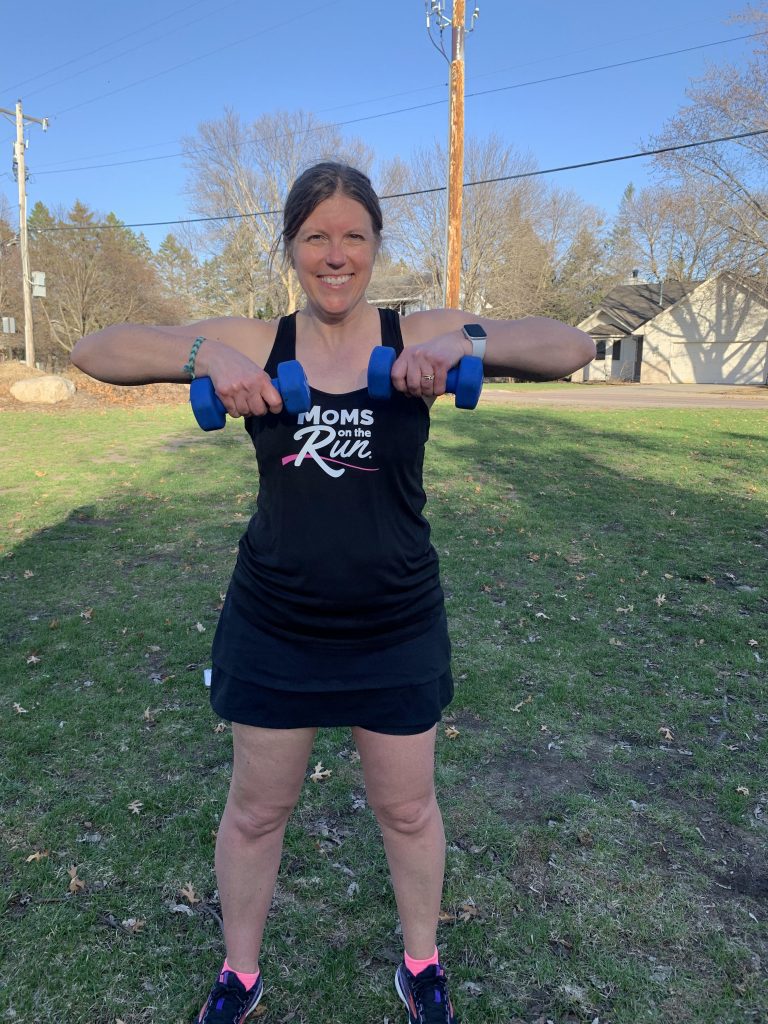
Many first-time marathoners focus only on running, but strength training is your secret weapon. It helps you maintain form when fatigue hits and protects your joints, muscles and bones from overuse injuries.
Each Moms on the Run class includes 15-20 minutes of strength and conditioning, designed specifically for runners. Even on your own, two short strength sessions a week will go a long way. Focus on your glutes, hamstrings, core and hips. These muscles are your powerhouses for distance running.
Don’t Skimp on Recovery
Rest is not a reward. It’s part of training. Your muscles grow stronger when you recover, not while you’re pounding the pavement. That’s why recovery days and easy runs are crucial.
Here’s how to recover smarter:
- Sleep: Aim for 7–9 hours each night. Your body heals and adapts while you rest.
- Stretch and foam roll: A few minutes of mobility work keeps muscles loose and prevents tightness.
- Fuel and hydrate: Replenish your body with water, electrolytes and balanced meals.
- Listen to your body: If something feels off, take a day off or cross-train instead of pushing through pain. One missed run won’t derail you, but ignoring recovery can.
Fuel Your Body Like an Athlete
Nutrition plays a major role in how you feel and perform. During marathon training, you’re asking a lot from your body, so it’s important to give it the right fuel.
- Before runs: Eat a light meal or snack with carbs and a little protein (like toast with nut butter or a banana).
- During long runs: Once you’re running more than 75–90 minutes, practice fueling with gels, chews or sports drinks every 30–45 minutes.
- After runs: Refuel with carbs and protein within an hour to speed recovery.
Every runner’s stomach is different, so use your long runs to experiment. Avoid trying anything new on race day.
And don’t forget hydration — especially if you’re training through summer heat. Sip water throughout the day and add electrolytes during longer efforts.
Train Your Mind as Much as Your Body
Your first marathon is as much a mental challenge as a physical one. Practice mental toughness by:
- Breaking long runs into smaller chunks (“just get to the next mile marker”)
- Repeating positive mantras (“I am strong, I am steady”)
- Visualizing your finish line moment the crowd, your smile, the sense of pride
You’re training your brain to keep going when it gets hard — because it will. And that’s where the magic happens.
Gear Up for Success
Running 26.2 miles is a lot easier when you’re comfortable. Make sure your gear supports you:
- Shoes: Get fitted for running shoes at a local store and replace them every 300–500 miles.
- Clothing: Choose moisture-wicking fabrics to prevent chafing.
- Accessories: Body Glide, good socks and a reliable GPS watch can make a big difference.
If you’re training in colder months, layer up with breathable outerwear.
Listen to Your Body and Adjust
No training cycle is perfect. You might miss a run, catch a cold or feel unusually tired. That’s okay and expected. Flexibility is part of marathon training. If you’re consistent most of the time, you’ll be ready on race day.
Pain that lingers or worsens deserves attention. Take an extra rest day or visit a physical therapist or sports medicine provider if needed. Ignoring early signs of injury can sideline you longer than a day off ever will.
Enjoy the First-Marathon Journey
Most importantly, don’t forget to celebrate the small wins: each long run completed, each early morning conquered, each new distance covered. Those moments matter. Marathon training changes you. It teaches patience, strength and confidence you can carry into every area of life.
And when you cross that finish line, you’ll realize it was never just about the race. It was about who you became getting there.
Your First Marathon: The Bottom Line
Your first marathon will test you, but it will also transform you. With smart training, proper recovery and the support of a community like Moms on the Run, you’ll be ready for every mile.
You’ve got this. One mile at a time, one run at a time, you’re becoming a marathoner.