

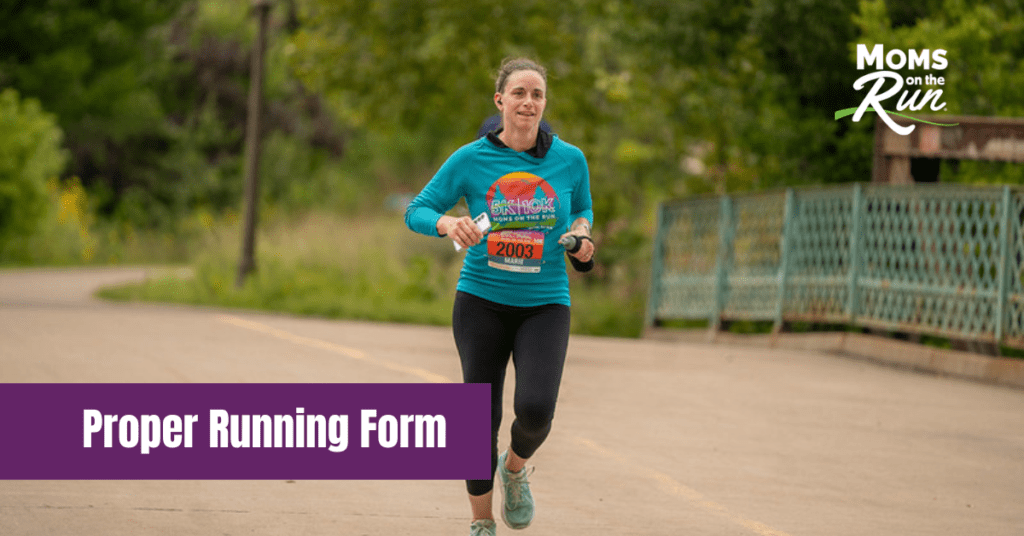
Whether you’re brand new to running or chasing your next PR, understanding proper running form matters. It creates a more efficient, powerful stride that helps you run stronger and smarter.
Running isn’t just about putting one foot in front of the other. It’s a dynamic whole-body movement. When done well, proper running form can make your runs feel easier, keep injuries at bay and boost your confidence from start to finish. Here’s what you need to know about what proper running form looks like, how to assess it, and how to improve it over time.
What Is Proper Running Form and Why It Works
Simply put, proper running form is the most effective way your body can move. It minimizes wasted energy and reduces stress on muscles, joints and connective tissue. It also helps your body move in a way that enhances your performance so you reap the benefits of running. It also protects you from aches and pains that happen when mechanics are off.
Here’s why that matters:
- Energy is conserved. When your body moves efficiently, you use less energy at a given pace. That means you can run longer, maintain your pace more easily and recover faster. Running economy influences performance as much as fitness does.
- Less risk of injury. Overstriding, poor posture or wasted motion increases the load on your knees, hips and lower back. By learning proper form, you can distribute impact forces more evenly and reduce common running injuries.
- Better consistency and joy. When running feels good, you want to do it more. Better mechanics can make your runs feel smoother, more comfortable and more fun. That’s the heart of Moms on the Run — running for fitness, fun and friendship.
So what does great form look like?
The Key Principles of Proper Running Form
There’s no one perfect formula that works for everybody. It’s important to remember that good form is specific to you. There’s not one perfect pattern that every runner must follow. Body proportions, experience, strength and training load all affect how your form looks and feels. But coaches and experts agree on these fundamentals:
- Upright posture with a slight lean forward. Keep your chest proud, shoulders relaxed and gaze forward. That slight forward lean shouldn’t come from your waist but from your ankles. This uses gravity to help propel you forward rather than hold you back.
- Shorter strides with higher cadence. Reduce braking forces by taking shorter, quicker steps. Most runners aim for a cadence of 170-180 steps per minute, though natural rhythm varies from person to person.
- Foot strike beneath your hips. Your foot should land under your center of mass, not far in front of you. Overstriding not only wastes energy but also increases injury risk.
- Relaxed arms and shoulders. Keep arms bent about 90 degrees and swing them forward and back, not across your body. Tension in your shoulders or arms can throw off balance and cost energy.
- Core engagement. Your core keeps your posture tall and stable, especially when you get tired. A strong core supports everything from breathing to leg turnover.
How to Assess Your Running Form
You can’t fix what you don’t see. To evaluate your mechanics:
- Video your runs. Have a friend film you on a treadmill or outside from the side and back. Then review your form. Look for posture, foot placement, arm swing and cadence.
- Count your cadence. Use your watch or phone to count how many times one foot hits the ground in 60 seconds, then double it. Aim for a cadence that feels light and quick.
- Try in-the-moment cues. Notice if you feel like you’re lunging forward or landing with a loud heel strike. These sensations are often hints that your body is compensating for inefficient mechanics.
- Get expert feedback. A Moms on the Run coach or gait analysis expert can help you understand what your body is doing and why. Sometimes a small tweak makes a big difference.
How to Improve Your Form Step by Step
Improving your running form doesn’t happen overnight. But with consistency and intention, you can make lasting changes. Here’s how:
- Start with drills
Include specific drills in your warm-up or cool-down to train neuromuscular patterns:
- High knees – reinforce quick turnover
- Butt kicks – teach heel recovery
- A-skips and B-skips – improve coordination and hip drive
- Stride outs – practice good form at controlled speeds
These help your body feel the mechanics before you expect them during a run.
- Build strength and stability
Stronger legs, hips and core make maintaining good form easier as you get tired. Try these staples several times a week: squats, lunges, dead bugs and planks. A stronger runner is a more efficient runner.
- Be mindful in your workouts
During easy runs, remind yourself to:
- Keep your gaze forward
- Lift from the hips not the chest
- Keep arms relaxed
- Maintain a consistent cadence
Your brain needs to connect intent with movement. Mindful repetition builds better mechanics.
- Mix in form focus sessions
Instead of tweaking every run, include specific form focus segments in one or two runs per week. For example:
- Run 3 minutes focusing on cadence
- Next 3 minutes focus on posture
- Then 3 minutes focus on arm swing
Breaking it down makes learning manageable.
- Refresh your gear
Finally, old shoes lose cushioning and support. This can change the way your feet land and how your whole body absorbs impact. Most running shoes last about 300–500 miles.
The Big Picture: Proper Running Form Is Part of Your Running Journey
Running form is not a one-time fix. It’s something you build just like endurance, strength and confidence. When you commit to understanding it, assessing it and improving it gradually over time, you set yourself up for success no matter what your running goals are.
So the next time you lace up your shoes, take a moment to check your posture, find your rhythm, and run with purpose. Because how you run is just as meaningful as how far or fast you go.
Happy running, Moms on the Run community!