

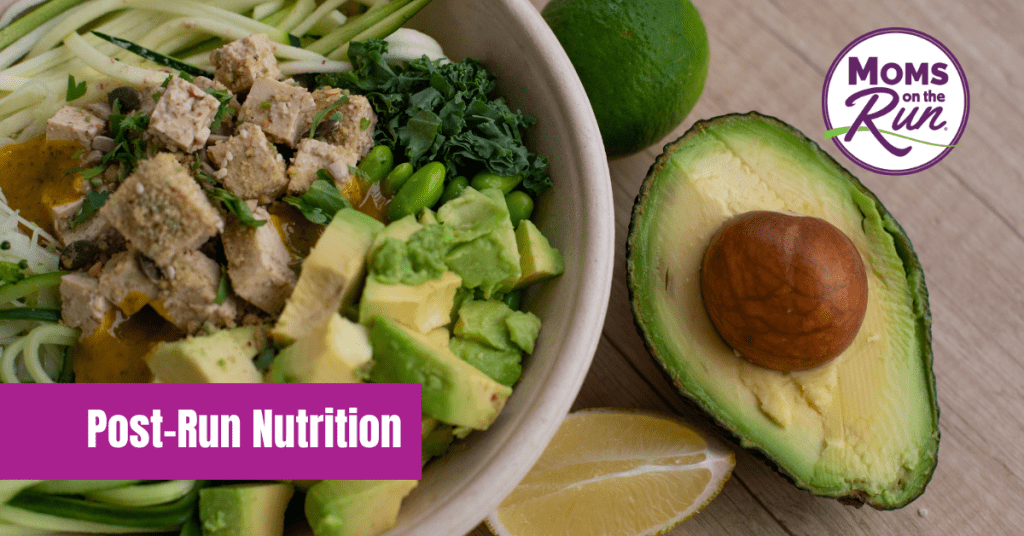
Let’s Dive into the Importance of Proper Post-Run Nutrition!
After pushing your body through miles of effort, refueling through post-run nutrition is crucial. It’s needed for recovery and getting the most out of your training. During a long run, your body depletes its glycogen stores, breaks down muscle tissue, and loses essential electrolytes through sweat. A well-balanced meal after your run helps replenish these nutrients, repair muscle damage and restore energy levels. This refueling process is vital for reducing muscle soreness, speeding up recovery, and preparing your body for your next workout.
Post-Run Nutrition Timing
Timing is also important when it comes to post-run nutrition. Ideally, you should aim to eat within 30 to 60 minutes after finishing your run when your muscles are most receptive to absorbing nutrients. This doesn’t mean you need to sit down for a full meal right away. Even a quick snack, like a protein bar, a smoothie, or a piece of fruit with some nuts, can kickstart the recovery process. However, a balanced meal containing carbs, protein, and healthy fats is even better for achieving more a complete recovery. Try a turkey sandwich on whole-grain bread, a bowl of quinoa with grilled chicken and veggies, or a hearty salad with beans and avocado.
But What if You’re Not hungry Right after Your Run?
It’s still important to eat something, even if it’s just a small snack. Your body needs those nutrients to begin the healing and recovery process. Skipping this crucial window can leave you feeling more fatigued and slow down your recovery. This might impact your next workout. Similarly, even if you’re not particularly thirsty, it’s important to rehydrate. Your body loses a significant amount of fluid during a long run. Even mild dehydration can affect your recovery and performance. Drink water or a sports drink to replenish lost fluids and electrolytes, even if you don’t feel thirsty right away.
Proper post-run nutrition is all about helping your body bounce back stronger and ready for the next challenge. Listen to your body, but also remember that sometimes, your body needs fuel even when it’s not sending those hunger or thirst signals. Taking the time to nourish yourself after a long run will pay off with better recovery, more energy, and stronger performances in the long run — no pun intended!